Sleep: Screens Stealing Our Slumber? | Screen Time, Sleep Science & Digital Wellbeing

 Apple Podcasts
 Spotify
 YouTube
 iHeartRadio
 Amazon Music
 Audible
 The internet promised us connection that never sleeps. But has it also been sabotaging our rest - leaving us locked in a nightly battle with a digital world that refuses to turn off?
Welcome to Ruined By The Internet? - the show where we examine how technology is shaping modern life - whether we want it to or not.
Follow or subscribe to never miss the next investigation. https://www.ruinedbytheinternet.com/
We're joined by Chelsea Reynolds - sleep researcher and clinical psychologist - who is exactly the right person to ask about what happens when bedtime becomes screen time, and whether our screens are the problem, or the solution.
In this episode we investigate how screens and digital habits are disrupting our sleep biology, examine the sleep displacement hypothesis and what it actually means for how we rest, explore the psychology behind why we choose screens over sleep even when we know better, and ask whether the same technology keeping us awake could ever genuinely help us sleep.
(00:00) The internet's impact on sleep and why it matters
(04:59) Sleep biology and exactly where technology interferes
(09:57) The sleep displacement hypothesis: are screens stealing our hours or just our quality?
(15:00) Navigating sleep aids in a world full of digital solutions
(20:01) How the blurring of work and personal life is destroying sleep boundaries
(25:04) The bright light hypothesis and how screen wavelengths affect sleep patterns
(25:09) Understanding sleep routines and where technology fits in
(30:36) Teenagers, sleep needs, and the specific risks of digital exposure
(33:00) The risk factors most people don't know are affecting their sleep
(35:30) How to transform technology from sleep disruptor into sleep aid
(37:23) Practical sleep strategies for a screen-saturated world
(39:44) The nuance of technology's role in sleep: it's not all bad
Key takeaways:
• The Screen Light Myth vs. Reality: While the general rule to avoid screens an hour before bed is a safe way to wind down, the idea that blue light completely destroys sleep biology is overblown.
• Four Psychological Drivers of Late-Night Tech Use: Dr. Chelsea Reynolds outlines four distinct frameworks behind why we can't put down our devices at night.
• The Trap of Sleep Trackers and the "8-Hour Rule": A major irony of modern sleep health is the tendency to turn to new technology to solve problems supposedly caused by technology.
• Expert Recommendations for Better Sleep: Instead of relying on rigid rules or digital tracking metrics, clinical practice emphasizes individual flexibility and behavioural conditioning.
If this episode got you thinking, check out:
Attention Spans: A Short-form Destruction of Focus?
https://pod.link/1825601333/episode/M2M2NzYwY2ItMTI0OC00MzNhLWJkNmUtNWVlNmE5YzkwNTky
Social Interaction: The Digital Erasure of Presence?
https://pod.link/1825601333/episode/ODYyNDQ1MzAtMzdlNy00NjEzLWE4ZWEtYjgxMjMzNTJjOGJk
Self Improvement: Progress Replaced With Performance?
https://pod.link/1825601333/episode/NTI5M2Y0OWItNWMzNy00OGMxLTljZTgtOTk5MjI2MGM1YzRj
Guest links - Chelsea Reynolds
Website: https://www.bedtimewindow.com/
LinkedIn: https://www.linkedin.com/in/chelsea-reynolds-29b43191/
Join the investigation
Visit us: https://www.ruinedbytheinternet.com/
Share your thoughts: https://www.ruinedbytheinternet.com/survey/
Support the show: https://buymeacoffee.com/rbtishow
Gareth King (00:32)
Chelsea, thank you so much for joining us and welcome to the show. Before we get into it today, can you tell us a little bit about your background and how you came to this area of expertise?
Chelsea Reynolds (00:41)
Yeah, so I'm a clinical psychologist. I did my PhD a few years ago now, specifically focusing on sleep. And I thought, what a great way to use psychology, but also science to get to the heart of how important sleep is for people and how to help them sleep better.
And since graduating, I've done a lot of clinical work helping people with insomnia, a lot of which sometimes involves technologies. And then also doing research behind the scenes, publishing things on all things sleep wherever we can.
Gareth King (01:10)
Brilliant. Before we start digging into that, can you start us off by just explaining the biology of sleep and what changes may have been happening since all of this technology’s arrived on the scene?
Chelsea Reynolds (01:22)
Yeah, okay. Complicated question, but it's a really good one. So, in terms of our sleep, like naturally we all follow this kind of rollercoaster of sleep from light sleep through to deep sleep. So, we have sleep cycles that last for about an hour and a half. And for most of us, biologically, we get a few sleep cycles across the night. So, we get really deep sleep at the start of the night because our body needs that to kind of regenerate cells and repair and to consolidate a lot of things that we've learned in the day.
And then we head through into kind of lighter sleep toward the latter half of the night. And for a lot of people, we do pretty well with about eight hours of sleep, but that's one of the things that can be problematic for people as well, particularly my clients with insomnia, because not everyone needs eight hours of sleep. In itself is a bit of a myth because some people are more than fine with six or seven.
And then some people need more like 10. I guess for us, it's about learning what is our own need for sleep and then understanding that whatever sleep we get, we're probably getting that beautiful deep sleep at the start and hopefully feeling okay enough in the day.
Gareth King (02:26)
Yeah, that's an interesting point. And obviously a lot of the time there's rules and guidelines to help you fall asleep. One thing that I see quite a lot is to have no screens for an hour before bed. I'm assuming that's to do with the type of light that is coming from the screens, but where did this advice of an hour before bed come from? Is it accurate? And can you explain how this screen light actually affects our ability to fall asleep into that deep zone?
Chelsea Reynolds (02:53)
So, I guess the first part, it is always a good idea for our body and our brain to be relaxed enough to fall asleep. So, as we head into the evening, we have this biological kind of calming of the whole system. So, our core body temperature is decreasing, that helps us to feel kind of sleepy. Our brain starts to wind down, I guess, for the night, be less active, and these things combined can help us to fall asleep nicely.
So, you always hear people saying, well, do you have a good bedtime routine? Do you do calm things before bed? So that in itself is where a lot of the, I guess, argument about tech use comes from, because people think of technology and immediately think, oh, you're gaming, you're watching videos, you're scrolling. Everything's like bright and loud and exciting. But it's not always the case.
And that's one of the things that myself and my colleagues have grappled with because technology isn't always the culprit, and what a lot of people have said to us in clinic is that they just can't sleep anyway. They're saying, well, I'm tossing and turning. I turned off my phone, you know, at a good time and I'm lying here in the dark with nothing but my thoughts to keep me company and it's actually torture.
And for those people, I say, you know what, like go on your phone. Don't do something really exciting. Like don't start playing video games preferably. Don't start scrolling something that's going to make you upset, but do something that's calming for you.
And this is where we see this kind of bi-directional link between technology use and sleep because yes, absolutely, some people will keep scrolling and flicking through videos past the time that they should be asleep. We call this the sleep displacement hypothesis where they could have felt their eyes drooping, and they kind of felt their brain shutting down and they're like, I am sleepy, but this is just exciting. So, I'm just going to keep clicking. It's really hard to pull yourself away.
So, for those people, yeah, it means that they're just up late when they could be sleeping. But for other people, technology is kind of like their saviour, like it's filling the time. They're like, if I'm just tossing and turning anyway, I might as well do something nice for myself. It's such a good topic and it's complicated and it kind of goes both ways. It'll be individually dependent.
Gareth King (04:58)
Yeah, that's a good point that you raised in there, that sleep displacement. Now, I know personally, I'm someone that ranges between six and seven hours of sleep a night. That's fine for me. And I tend to believe in a rule that wherever I fall asleep, if it's in a chair, if it's in the bed, wherever, just leave me there. That's where I'm going to be sleeping.
But then, you know, if I do wake up in the night and potentially can't get back to sleep, because as you said, my mind is racing, I may as well do something productive, and so then I would pull out a computer and try and do some work stuff. And I'm thinking to myself, is this going to help me fill that time before I can get back to sleep? Or is this going to start stimulating my mind and my biology again? So, I'm actually delaying when I could be falling back to sleep.
There's obviously a lot of ways technology can be used as a sleep aid as well, rather than just a hindrance. In terms of a sleep aid, you mentioned relaxing and unwinding before bed. A lot of people turn to the scroll for that mindless relaxation, slowing everything down. You know, potential only stimulation is coming from the screen. Is that a common thing that people can relax by scrolling or is it they're kind of just getting tired naturally and the scroll may be fighting them getting tired?
Chelsea Reynolds (06:18)
Yeah, I think it can happen in a couple of different ways. So, with the scrolling, the content that we're seeing, like post after post or video after video, all of it is giving us like a little kind of positive reward. Like we would call this positive reinforcement. So, if you do something and you get something good in return, then you're just going to do that thing again and again. And so typically we would keep scrolling until we find something that's good, or even better than the thing before, or just as good as the good one that we saw, you know, an hour ago, for example.
So, it can kind of keep you hooked in that kind of behavioural loop. And at the same time, when we're sleepy, our brains are not as good at being sensible. I think we've all kind of experienced this, like your wise decision-making takes a bit of a backseat because the brain's trying to shut down for the night. And so, we might not have as much good self-control over our behaviour.
A lot of what I talk about with people is like, it's not the technology, it's the person using the technology. And that's not to invalidate people who genuinely feel hooked because it can be so hard to resist everything that you're seeing on the screen. But a lot of work I do with people is let's talk about what does it feel like in your body when your eyes are droopy, when you're starting to feel sleepy, and how can we build in some strategies to help you get control over that? So is there a time where you can set, is there some internal kind of signal to you that tells you, this is what Chelsea was talking about. This is when I need to tell myself enough is enough.
I think we’ve all been there. I’ve been there, like it’s really hard to resist.
Gareth King (07:47)
Look, that's a good point that it's not kind of a one size fits all thing. What I'd love to get to the bottom of with that today is it feels like there's this symbiotic relationship where some people are turning to various forms of technology as sleep aids to address what they think are technology-driven sleep problems.
Now, is that an accurate perception, or is it only in some cases, or is it better for us to just be looking at our overall health and relationship with technology in general, rather than say, my phone keeps me awake, so I'm going to get a device that measures my sleep score that I know what I should aim for better tomorrow night?
Chelsea Reynolds (08:26)
It's troublesome, isn't it? Because there's always a technology solution to all these things that are happening to us because of technology. So, it's just, it's a minefield really. And yes, there are some good sleep aids out there that can help, but it's all about what works for the person.
And sometimes you're presented with too many choices, and which do I choose and which is the right one and which one will help me have a good night's sleep. And by the time you've gone around in circles, your brain's really alert, more alert than it was before.
What I often suggest for people, like in terms of the sleep aid kind of stuff, is find something that works for you. Try to find it in the daytime, like outside of the bedroom environment. Because it's really important that we keep good associations between our bedroom and sleep. So, for example, if I constantly am gaming in bed or checking work emails, then my brain's going to quickly associate the bedroom environment with being alert or stressed.
Whereas, if I can set up, no the bedroom is just for sleep, and I've already spent my half hour or whatever figuring out the best kind of sleep music to have on in the background, I know that when I go to bed, I don't need to scroll, I don't need to check, I don't need to go round in circles. So that's that part of it. And you're asking about sleep trackers, I think, the apps to measure sleep?
Gareth King (09:39)
Yeah. I've known people who are so obsessed with this sleep score, and it just creates a new challenge for them to worry about. And I'm sure that that worry is carrying over to when it's time to go to sleep, and potentially stimulating their mind again, making sleep harder. Is this something that you see happening?
Chelsea Reynolds (09:57)
I do, absolutely, particularly for people with insomnia who do have a tendency to, I guess, get ruminative about their sleep and am I getting enough? I will always tell people, don't watch the clock. And this is a little different, but it is related. So, if you're trying to fall asleep and you're constantly checking the clock and you're thinking, okay, it's been 15 minutes, now it's been 45, now it's been an hour and a half, what am I doing with my life? This is terrible, and you end up going round and round in circles.
And the same thing can happen with a sleep app because you go to bed while meeting, maybe you toss and turn a bit and then you wake up in the morning and your app tells you, yeah, you had a really bad night. And all of a sudden you're viewing the day with this kind of negative glasses kind of thing where you think, okay, well, I was in bed for eight hours and my app tells me that I had a terrible night, only slept six hours overall and I was awake for this much time. Then all of a sudden, you're viewing the day as a six-hour sleep day instead of maybe, you know, could it had been seven hours?
The apps, they're getting better over time. They really are, but they do still have a tendency to underestimate your sleep. So, if you're the kind of person who moves a lot in your sleep, but you're genuinely asleep, it'll think you're awake. So, I always have this conversation of like, just go with how you feel and try and look at it from a glass half full. Like if you were in bed for eight hours, you think that you were tossing and turning for a little bit. Why not just tell yourself, I probably had maybe seven, seven and a half hours of sleep.
And then you're kind of putting on the positive glasses for the day. And does it really matter? Like you're probably going to survive anyway. And we do find that it's a kind of mind over matter. Like if you try not to obsess over it quite so much, then that can help the brain, I guess, to reframe what that night was.
Gareth King (11:36)
That's a great point. Do you think that devices and apps or whatever that are giving you advice to get to that eight hours, is just creating so much focus on achieving a certain result or, like a number result, rather than what works best for us as people? That sounds like quite a negative impact of how this technology is affecting what we're really doing.
Chelsea Reynolds (12:00)
Yeah, I agree. I agree completely. And there's a lot of pressure on us for all things in life to do better and to achieve certain things, which we know that we get from social media and just media in general, the news. And so, trying to force your body to fit into an ideal, whether it's sleep or anything else, is not really going to be helpful for our mental health.
Like everyone's sleep need is different. The way that I describe it, particularly when I work with families, I'll say, let's say that I get a class of high school students and I line them up in order from shortest to tallest. And there'll be a whole bunch of kids in the middle who are around the same height. And there'll be just a few who are really tall and there'll be just a few who are really short.
And for sleep need it's the same. And this is across the whole lifespan, but it's so different. We don't need to worry about what anyone else is doing, how anyone else is sleeping. Like, yes, there's going to be that average group in the middle who do need that like eight hours of sleep, but that doesn't mean that you have to get that or there will be bad consequences for you personally.
If you're getting as much sleep as you can, then you're probably doing okay. Let's say that you're a six-hour sleeper. It's better to be in bed for six hours and get a good solid night's sleep, than to be in bed for eight, nine hours and almost be guaranteeing yourself three hours’ worth of tossing and turning and that kind of torture. Let's not focus on the hours. Let's focus on how well you sleep through the night and how well you feel in the day.
Gareth King (13:24)
I mean, that's, that's great advice too. Would you say that if someone is say, hey, I've got to be in bed for eight hours, but I've only slept for six. I'm going to lie in bed silent, everything off, you know, dark room, everything to try and fall asleep, but then they lie there for two hours. Should they worry about even pulling out the phone and having a scroll while they're trying to fall back to sleep?
Chelsea Reynolds (13:46)
I think that you can, absolutely. It'll depend on whether they're a healthy sleeper generally, or whether they really have like a chronic insomnia. So, the reason being that for a healthy sleeper, they can probably roll over, open their phone, maybe read like an eBook, or do something that's not quite so exciting or too doomscrolly. We don't want them reading terrible things on the news at that time.
But if they can do something that calms the system and keeps them occupied up to the point that they're like, I can sleep again, I can go back to sleep. And that's fine. Like I don't see any issue in that. But the people who have insomnia to the point that the brain really thinks of the bedroom as being a place of alertness and stress, I'd be saying, don't just roll over and get your phone, head to a different room if you can, so that you're separating sleep from doing anything else. And even then read a book, on your phone a little, watch some YouTube, but something that you know for yourself is going to be calming and not overstimulating.
So, you might have certain rules for yourself at that point. Like I know that if I end up on TikTok or Instagram, that I just won't be able to get off it, or I'm going to see a whole bunch of things that will make me think badly of myself. So that's your rule. It's like, okay, I'm going to actually listen to a podcast instead.
Gareth King (15:00)
Yeah, right. Is there an amount of time that you can kind of do that before you've, I guess, voided your ability to fall back to sleep? Like, you know, if you do it for a few minutes, maybe that's okay. But if you find yourself doing it for, say an hour, how does that affect the chances that you're gonna fall back to sleep?
Chelsea Reynolds (15:18)
Yeah, you would start to feel like you're maybe too alert at that point, I guess. The tricky thing is it's kind of up to your body to be sleepy again. Like we can't force sleepiness on ourselves, but we can try to encourage it. I'd probably say if it's been over half an hour, then what are you doing that might be alerting you? Or even, you know, after 15 minutes, if you're like finding yourself getting more and more awake, what can I do to help my brain get back into sleepy mode? Because maybe I've chosen the wrong thing to do in this time out of bed.
It also depends on the time of the evening. So, we talked before about sleep cycles and how you have deep sleep at the start of the night and lighter sleep at the end of the night. We have this thing in us called, this is sleep drive or sleep homeostasis. So, you will have your biggest drive to sleep at the start of the night. You're at your most sleepy, your body needs the most deep sleep. So, in the first like three hours of the night, you're pretty guaranteed to sleep through, not always, and people listening who have insomnia are like, nope. But for most people, yeah, you can sleep through that first chunk of the night and the second half of the night, your body, it might still benefit from sleep, but it won't have the same sleep drive. It's like, I got the deep sleep I needed. I know I need more sleep, but I'm not quite as sleepy as I was. So, if you're waking up, let's say at midnight and your body's still fairly sleepy, but something's waking you up, you might get away with doing something for a little while and then going back to sleep.
But if you're waking at 5 a.m. and you know, you need to be up at six, like the chances of going back to sleep at that point, like the body doesn't need it as much, especially if you know it's 5 a.m. Then you're already thinking, okay, well, I've got to be up. It's a little unavoidable. So, um, yeah. Dependent on the time.
Gareth King (16:59)
That's such an interesting one. know that always happens to me. Like if I'm going to the airport or something, you know, like I've got to get an early flight and I'm like, I've got to get up at 4 a.m. Guaranteed my alarm that's set for 4 a.m. I'm going to wake up an hour before that. I guess, like you say, if you have a set time that you're kind of worrying about, that you've got to be awake, you're really not going to force yourself to go back to sleep before that.
But speaking of phones in the world of sleep, something that's come over, you know, recent years is this 24 seven connectivity. And obviously that's not just in our personal lives, it's in our professional lives and everything else too. It's very easy for us to kind of ignore text message, call, notification, whatever it is, if it's in our personal life.
But I wonder, is there a difference between how the lines of work and non-work times are blurring? We've seen, especially since the start of the pandemic happened, that this kind of work time, personal time has just been really blurred. Is this something that you've noticed as well that that reach and availability, thanks to technology, that our work is kind of intruding into our personal lives, is actually having more of an effect on our mental state when it comes to sleep, than say playing a game or scrolling the feed a little bit is?
Chelsea Reynolds (18:18)
I completely agree. Back in the days before we were so accessible, it just wasn't an option. You know, once you clocked off for the day, they couldn't reach you unless they wanted to call you on the landline, or even further back in time, you know, walk to your house. So like that would have been bliss from like a tech and sleep perspective.
I often say to my clients, like, if we want to fix your sleep, just go camping where you don't have any reception because all you're working towards is your natural light cycles, and we'll come around to the bright light eventually, know you asked me that before.
But also, just not being connected to anyone means that you're in charge of your own evening and your brain is allowed to relax and genuinely switch off for the night. So that would be great if we can have businesses be more aware of how important it is to give their employees time to switch off, because our brains are better when we can restore, when we have that rest.
The other thing though is that people will check their emails anyway, even if no one's around, because they'll think if I just check a few more emails, then that'll lighten my load tomorrow. And so, in the same way that I say flicking through TikTok videos and flicking through posts on Instagram, I'm like, just one more, just one more. The next one might be interesting. The same thing happens with the emails. It's like, okay, just one more. I know that one looks important, just that one as well. And before you know it, you've lost track of time.
Gareth King (19:33)
Yeah, look, that's, that's a great insight. And obviously a lot of this digital engagement & interaction is so bite-sized and quick. You know, it's not like someone says you've got to watch three one-hour videos. Like you’d be like, nah, I'm not even going to start that. But once you get in that kind of check an email, check an email, watch a video, read a post, write something down, et cetera. It's all of these endless tasks that time just gets away from you.
You know, I've spoken to so many people that are like, oh, it's just, just in bed and you know two hours went by, I was just on, on Tik Tok or on Instagram or something like that. But I guess they're designed to make people be doing that, and it is probably that rush that we get from checking off a small task.
But you, we just touch back on again there around the bright light coming from the screen. Let's dig around that one a little bit and discuss what's that kind of light actually doing to us.
Chelsea Reynolds (20:22)
The bright light hypothesis, which is so contentious in the field, so any sleep researchers listening will have a strong opinion about it. The way that it works is that when we are exposed to bright light, let's say sunlight in the morning, like if we took all the way back to kind of our natural biological rhythms independent of technology. So, when we see light in the morning, the light enters our eyeballs, it hits a certain spot at the back of our retina, and that sends a signal to something fancy called the suprachiasmatic nucleus, which I'm very proud I learned how to say that quickly through all my studies.
It sounds good. We call it an SCN maybe for short. Anyway, that sends a signal to the brain that it's time to be alert and it suppresses melatonin. So, most people have heard of melatonin. It is a natural hormone in the body that is linked to helping us feel sleepy. So, less melatonin, more alertness. Okay. So, in other words, if you have bright light hitting your eyes, it tells your body that it's time to be awake. So, it naturally follows the logic then that if we have a bright screen in our eyes, that's tricking our brain into thinking it's daytime and then it's time to be awake.
But it's not quite that simple. We need to consider the brightness of the light and also the wavelength. So, we've had a blue light as well. There's all kinds of wavelengths of light. In sunlight, it's a whole rainbow of wavelengths, blue light included and red light included. And from our screens, there is also, you know, a few different wavelengths of light and you hear these kinds of filters that will get rid of the blue light.
It is a little bit more about the brightness when it comes to sleep though. So, the way that we can measure light intensity is in lux. So, on a sunny day, it'll be well over a hundred thousand lux outside. That is well and truly enough to tell the brain that it's time to be awake. In like an inside room, like an office space, for example, it might be about 500 lux. And that is also like it might kind of affect your brain and your alertness there.
The light from your phone, let's say you're sitting in the dark, you're probably not going to have it on peak brightness, right? But even if you did, what researchers have found through their testing is it's more about a hundred lux. So, we've got a hundred lux from a phone versus well over a hundred thousand lux from the sun. Like it's just so different.
And so, what the research continually tells us is that people are on phones, like in experiments, and they still fall asleep around about the same time. And there's so many things to it, like the content might depend on things as well. But we gathered a whole lot of studies. We had 19 experimental studies that we looked at in a recent systematic review, and we averaged all of the time that it took people to fall asleep. And it was about three minutes later if you had a bright light, which is like almost nothing. It's quite telling.
And that's an experiment, right? That's not just asking people, what are you doing? I think that the choices people make about what they're using on their screens have a way bigger impact than the brightness of the light. And that's something that's taken the community a really long time to get their heads around.
Yes, there's probably some underlying processes in our circadian system with the melatonin and everything, that we need to do more deep dives to find out and research wise. But the data is telling us it's not making people sleep any, it's not taking people any longer to fall asleep, I guess, from a bright screen.
Gareth King (23:42)
Right. So, are those, what do they call it? Like, you know, say True Tone or something, like you said that takes the blue out of your screen and makes it that kind of a bit orangey. Are they really helping, or is it still only just kind of three minutes the actual data is showing that the light actually delays our sleep?
Chelsea Reynolds (23:58)
Yeah, from a pure like experimental point of view, it's not making that much difference. But if people find that it makes them feel more ready for sleep, then absolutely go for it. Like if it's a placebo effect, or if it's just calming for the system, I don't see any problem with that. The thing that I think a few of us in the research and clinical space have worried about is how much money people spend on like a blue light blocking pair of glasses, and then they're still on TikTok until midnight and they're like, okay, the problem is clearly not the bright light. I think the problem is what you're doing.
Gareth King (24:34)
Yeah, that's interesting. Cause I mean, I have glasses that I use for at a screen when I got them they were like, hey, do you want the blue light filter on them and things like that? And I just assumed it was cause the light was harsher on my eyes. I've seen people that don't even wear glasses, buying blue light glasses and things like that to be using at work, which theoretically is awake time anyway.
But that's really interesting to hear that the data is showing there's still only three minutes that delay, which I guess connects back to why I was asking earlier about like, where that hour number came from, was that just kind of a safe estimation?
Chelsea Reynolds (25:09)
I think that it is a safe estimation. Probably for the brain to fully relax into a new environment and to a new state. Like an hour is generous. Probably most people are rushing to get things done before bed. People might be putting kids to bed, might be doing the dishes, probably answering a last email here and there. And then quickly get ready and be ready for bed within a half hour and then fall asleep okay. So again, it is individual. Yeah.
Gareth King (25:38)
Yeah, look, that's a great point there. Like people rushing around, kids to bed, doing the last of the chores, or whatever you're cramming into the day before you're going to bed. And, and it feels like all of that is physical stimulation. You know, so far disconnected from technology in general that that might be keeping us awake, which we then will turn to the device to try and help us fall asleep in that sleep displacement that you mentioned earlier.
And we'll think, the phone is the last thing that I'm doing, that's the reason why I can't go to sleep. It's actually my device when it is, as you've been alluding to a lot, a lot of lifestyle factors that the phone or the screen or whatever it is, is really having a minimal impact on for a lot of people.
Chelsea Reynolds (26:19)
And the interesting thing there is that sometimes people are so busy and have so much to get done before bed that by the time they get into bed, they're like, all I want to do right now is go on my phone. Like this is my me time. We call this revenge procrastination. It's good. It's validating. I'm like, yeah, I have earned this time and maybe I should be going straight to sleep because I've got to be up early. But also, like this is going to be my wind down time and I didn't get a chance to do this all day.
So it's so true. There was a really interesting piece of research I saw talking about parents, and how big the difference is between when their kid goes to sleep and when they go to sleep. And showing that parents are up for two or three hours longer, you know, after their kid went to bed and then they get woken in the night.
So, kind of the message there is, if they'd just gone to bed, like not long after their kid, which is, you know, as a parent myself, I'm thinking I've got so much to do. And then yes, I do want to sit and do something for myself at that point, even if it's technology. So, gosh, it's complicated, isn't it?
Gareth King (27:23)
Yeah, no, for sure. And I mean, on that point there, that, that revenge procrastination, like that's brilliant. Like what a great term. And I think that as we know that life's got busier and more stimulating, would you say that different forms of technology are changing how we rest and relax?
Now we're turning to stimulating, you know, screens and information flows to relax. Is that having an effect on us or is it, as you said, still just kind of negligible?
Chelsea Reynolds (27:52)
Gosh, I don't know that we have the research to tell us this because the way that technology has just exploded like in recent, in the recent decade and since COVID as well, like everything is accessible. Like once we had streaming platforms increase their, you know, availability to everyone and there's so many more of them and social media, there's always something new on social media. Like TikTok is fairly recent as well.
So there's always something new and it's getting bigger and bigger and bigger. And so, I think that the research can't happen quick enough to keep up with the impact it's having on people. But it will be out there and particularly for the new generations, you know, like we would have maybe read a book, maybe watch TV, the free to air TV, like you can't control what's on it. And then it's time locked as well. It's like, well, this episode of my favourite shows finished at nine o'clock at night, and the next one's not good, so I'm going to bed.
Like the choice that we have means that our brains, I think, are more alert, not just for what we're consuming, but for what's the next best thing that I could be consuming.
Gareth King (28:52)
Yeah. As you and I know in Australia, we've recently had this social media ban for under 16s. Are we seeing anything that technology and stimulus and any effect of that is kind of having a different level of change on younger generations versus older generations, or is it just a universal effect that it can have?
Chelsea Reynolds (29:14)
I think it is about a generational difference for sure. Like young people are more and more frequently reporting this fear of missing out, FOMO. And it's a cutesy kind of phrase, but it can be quite impactful. Like kids, their mental health is being affected because they are not recognising themselves as the in-group. If they haven't kept up with the latest cool video or they haven't kept up with the group chat, teenagers reporting that they try to go to bed at a good time and then they wake up to 200 messages in the group chat because everyone else was up so late and then they can't connect with their friends because they missed out.
And it goes around and around in cycles. And there's a lot of research about the mental health of young people and older people, but I do think it's affecting younger people more because of that expectation to just always be current, to be up to date with it.
Gareth King (30:05)
Yeah, look that, beyond that expectation and that social pressure to be always current, connected, up to date. Like if that's taking their sleep time away potentially, like I remember when I was younger, I would sleep so much more than I do now. I always was told or under the impression that when you're growing, you need more sleep. Is that the case? And is this then having an outsized impact on like the amount of sleep cumulatively lost across young people, is potentially quite a dangerous thing?
Chelsea Reynolds (30:36)
Yeah, the teenage sleep thing, I could talk about the ages because there's so much to it biologically, but let's see if I can put it neatly. So, across our life, we have differing sleep needs. So, when we're babies, we need the most sleep ever. That slowly decreases to the point that when you're a teenager, you do still need lots of sleep. Like not as much as when you're a school-aged kid, but definitely more than an adult.
Like the developing adolescent brain goes through so much change, and they need sleep for those brain processes to occur. Like the brain refines itself into a more efficient system of consolidating what they're learning in class, consolidating what they're learning in their social environment and setting them up to be a functioning adult. And a lot of that does happen in sleep, and so, they really do need their full, I think our more recent evidence have said it's probably would be nine and a quarter hours of sleep on average for a teenager.
Again, accounting for individual differences, of course, but the average sleep that the teens are getting around the world is way less. So, it is having an impact and the fact that they're up late, probably studying and doing part-time work. And then again, this revenge procrastination, like I've done all my homework or at least I've pretended to, and then everyone's active on the group chat, or I really want to see the latest TikTok or my favourite YouTuber, whatever it is. So, it is making their day so much longer and their brain doesn't have time to wind down before bed either.
One of the most protective factors for that issue is parents set bedtimes, which teens will not appreciate, but it really is. It has an impact. so having that kind of wraparound village around young people is important. I'm hopeful that the social media ban might help a little with that, but it only helps up until they're 16. In Australia, as soon as they're 16 they get access.
Gareth King (32:21)
Yeah, it's an interesting one on that point, because while these certain platforms are banned, it's others aren't that can be just as entertaining, and the devices themselves are not banned. And God, you know, just broke it down there. Losing two hours of sleep a night over a week, you're like, what, nearly two days behind week after week.
But I think from there, my next question on that, not just for young people, but people in general is, are there any kind of existing conditions or risk factors, that we might have on a personal level, that would help create a difference in how technology affects our sleep? And if there is, what are they?
Chelsea Reynolds (33:00)
Yes, this is something that we looked at in one of our recent papers actually. So I’ll try and summarise that. So, one of the things that I looked at actually for my Honors thesis years ago was how people view risk taking, particularly teenagers. So, we brought some kids into the lab, and we gave them all a recently released video game, they were very excited. And we said, go nuts, but you've got school tomorrow. And then we watched them to keep an eye on when they would actually turn off the video game, and often we had to cut them off. We're like, dude, it's 1 a.m. You got to be up at six. This is not good. So, like for safety reasons we had a limit and a few of them met it like it was wild.
And my research was looking at whether they were the kind of risk averse type of teenager, or whether they were a risk conscious teenager. Like very common sense, those who were less caring of risks of their behaviours stayed up the longest. And so, people who have this natural tendency to seek rewards, and to disregard possible negative consequences of their behaviour, they will be most at risk of being up on technology and making choices that might not help them.
The other thing we've looked at is something called flow state, which is really interesting. So, this is where people get so immersed in what they're doing that they lose all track of time. And it's not just the technology use. Like artists will do it when they're creating a masterpiece. I'll be reading a book and not know that it's been three hours because it's just so gripping. People get really immersed in their work.
So again, for people who have a tendency to lose track of time, a lot of our neuro-spicy people will have a tendency to not be super aware of the time as well. And so that means that they can be again, kind of vulnerable. So just knowing that about themselves is going to be really important, putting in those limits for themselves.
And then again, people like if they have a combination of poor mental health or other things going on in their life, other complexities will also be at risk of turning to technology as that kind of aid for regulation, and as a sleep aid as well. So, I don't want to take it away from those people. I'm like, this technology is the thing that makes you happy at the end of a really rough, rough day. So how can we make that work for you and not against you as best as possible?
Gareth King (35:10)
And I think from here, maybe we can talk about some of these positive ways to be using these devices and whatever it is at our disposal. How else can we be turning what we might consider a negative relationship with technology, into a positive one when it comes to our sleep, and just having it as an aid rather than a disruptor?
Chelsea Reynolds (35:30)
I think it'll come back to planning wisely in the daytime ahead of that bedroom environment, which is harder to do obviously. Our wise centres of our brain are not really at their best at the later part of the night. So having some sort of a plan for yourself thinking, okay, last night didn't go so well because I was up really late. Or once I saw this particular video or saw this like really annoying thing in the group chat or something that set me off, then I was tossing and turning even once I put the phone down.
So, setting yourself some sort of routine where you think, okay, when can I turn off the technology? Or at least when am I going to stop the videos and then turn to a podcast or some nice meditation, or even reading? Can I put limits for myself where I can still do the things I want to do on technology, but just at better times that actually work for me?
Which I think that's a lot of what I work on with people clinically, which is, like I never say to take away the technology. I always just say, is there a way that we can do this smarter so that it works for you? And so, they don't feel like they're missing out because the suggestion to take away technology never works.
One of my colleagues, Dr. Kate Bartel, she tried to get teenagers to give up their phone an hour before bed. That was like a whole experiment. She's like, we're going to do this and see what happens. And none of them even could do it. And this is years ago. Like it was, it was before some more of the social media platforms had even been developed.
So, it's just not realistic. Like we can say turn it off an hour before bed. And some people, particularly those with insomnia will have tried this already and probably still have a hard time getting to sleep. So, we need to be a little more flexible with it, and work with the individual factors and not just these hard-set rules.
Gareth King (37:12)
As the sleep expert, what would you suggest that people look at before focusing solely on technology when it comes to their ability to get that good night's rest?
Chelsea Reynolds (37:23)
The one thing that I always tell people is go to bed when you're sleepy, which sounds really simple, except that a lot of people don't do that. So, the people with insomnia will go to bed earlier than their body is sleepy because they're so scared of not getting a full night's sleep. So, they think, naturally and very understandably, well, the longer I'm in bed, the more chance I'll get some sleep. And so, yes, like logically that kind of makes sense, but really, they're almost guaranteeing that they're just going to be lying there awake.
And so, what I do is say, okay, let's see how long you're actually sleeping. So, keep a sleep diary. It doesn't have to be with a fancy sleep app. I'd say just take your best guess of how much sleep you had last night. Roughly, you know, did you wake up? Were you tossing and turning or did you sleep through? How many hours was that? And then over the week, take an average. So, let's say you're asleep for, you know, five hours one night, eight hours another. That's probably a weird. Maybe it's, you know, six hours and seven hours. Across that, get the average, and then that will dictate what your new time in bed should be.
And so, if you're constantly in bed for eight hours and only getting seven, then maybe you're just in bed for seven hours. And that will help over a couple of weeks at least for your body to sleep through the night, and for you to have that subjective experience of your head hits the pillow and you fall asleep.
So that's the first one is to go to bed when you're sleepy, but to be really aware of how much sleep you need and not to be in bed longer than that preferably.
The next thing would be to make sure that they know what, I guess, set up for their bedtime works well for them. So, is it having dim lights? Is it having a book? Is it having a shower that makes them feel comfortable? And then trying to keep that as consistent as possible. Like there's always this phrase about, you know, get up same time every day, which is all well and good, but only once you've figured out first what works for your body. And once you figure that out, then keep it consistent.
Gareth King (39:15)
So, it sounds like, know, all this pressure we're putting on ourselves for sleep, that is all just extra stuff that we shouldn't be worried about. Like generally just going by feeling rather than worrying about all this data and tools to try and help us sleep. Which I guess makes so much sense because obviously at the end of the day, it is a biological process.
Just onto the last question then to finish up, would you say that the blame that so many of us are placing on technology for ruining our sleep is warranted?
Chelsea Reynolds (39:44)
I’m inclined to say no because I've somehow always come into the defence of technology, because I feel like it just so much is about the person using the technology. And again, that's not to say that the technology is not increasing the pressure and the challenge for individuals to get off it.
It has to go both ways. The tech companies know what they're doing. The algorithms, they will keep giving you stuff that will keep you hooked. And so, we need to be really mindful of that. We need for ourselves to be aware of what our limit time put strategies around that. So I don't know. Is it ever a yes or no at end of these things?
Gareth King (40:23)
No, I think, I think everything's so nuanced and I think everything that you've said as well, it really is down to us to take charge of our own sleep on an individual level, to really unlock that, whether that's through tech or not.
Thanks so much for that, Chelsea. What have you got coming up and where can people follow what you're up to?
Chelsea Reynolds (40:38)
So, people can probably find me on LinkedIn, and we, so myself and a couple colleagues are working on a digital, funnily enough, digital cognitive behavioural insomnia treatment. So, it's called Bedtime Window and people can look that up as well. Yes, it is digital, but it's not an app. So, we're trying to reach as many people as possible to teach them these things, a lot of which I've talked to you about, and to help them gain some sleep strategies so that they can hopefully get some success there.
So far, we've had over 500 people use our program and we're seeing some really good success as well with that. So that's really exciting. And then aside from that, just clinical work, I guess. And I also lecture at Adelaide University. So any people in Adelaide who are coming to any of my classes at uni, please ask me about sleep because I love to talk about it.
Gareth King (41:26)
Chelsea, thank you so much.
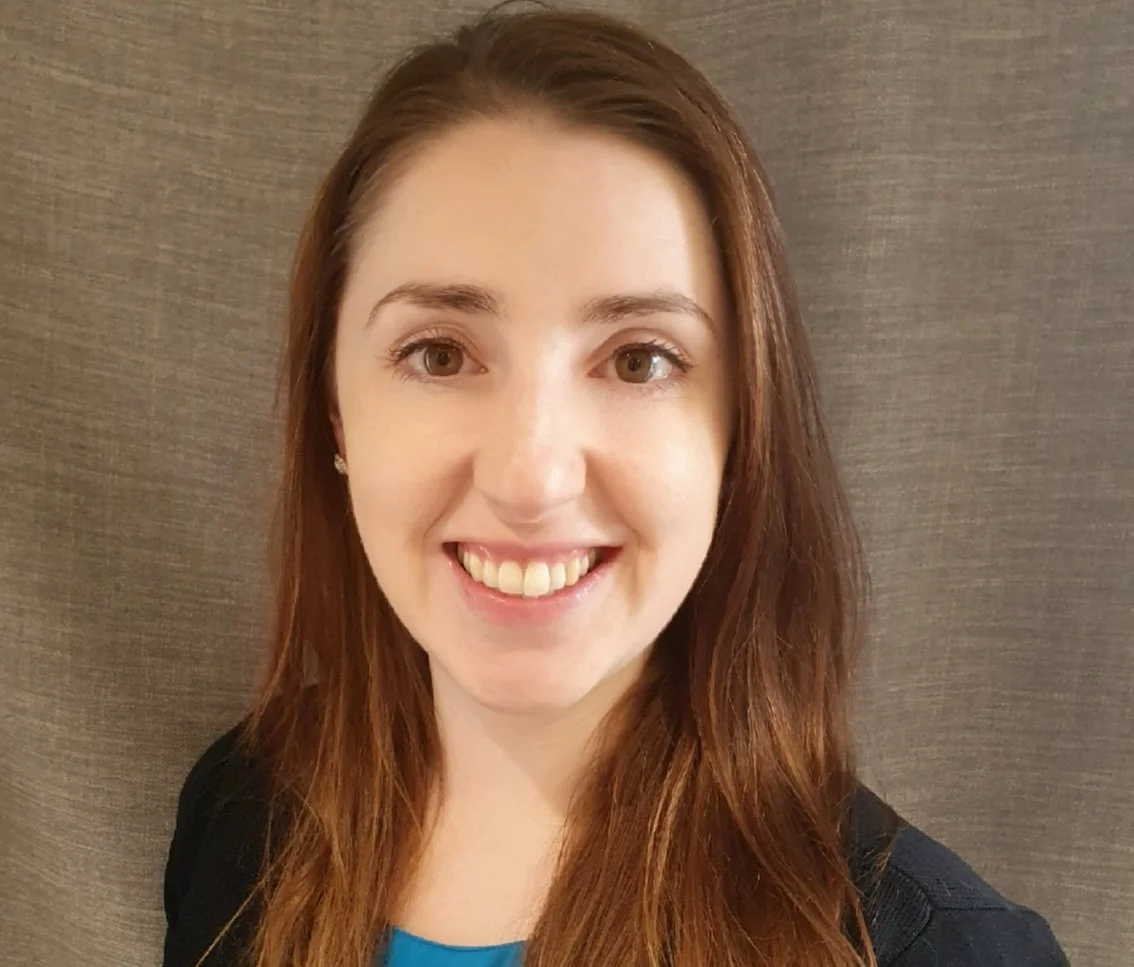
Sleep Researcher / Clinical Psychologist
Chelsea is a Clinical Psychologist and lecturer in psychology at Adelaide University. She completed her Clinical PhD in Psychology with a focus on sleep and has over 10 years’ experience supporting children, adolescents, and adults with a wide range of sleep difficulties.
She is a clinician at WINK Sleep, where she delivers treatment for insomnia and related sleep problems. She is also the co-creator of Bedtime Window, a digital insomnia program that delivers personalised, evidence-based recommendations through Australian research studies.
Alongside her clinical work, she is actively involved in research and teaching. She is a co-author on multiple peer-reviewed publications examining treatments for sleep disorders and the psychological and behavioural factors that influence sleep. Her work reflects a commitment to integrating research, clinical practice, and education to improve sleep health across the lifespan.